How to choose a personal trainer
Most advice about picking a personal trainer starts with the trainer: qualifications, physiques, before and after photos. This starts somewhere more useful, with you.
What a personal trainer actually does
Hiring a personal trainer is not buying gym sessions. You are hiring someone to run a process on your behalf: your training, parts of your eating, and the honest measurement of whether any of it is working. You hand that person two or three hours a week and a goal that genuinely matters to you.
Most people spend longer choosing a phone. They pick a trainer on proximity, price, or how impressive the trainer looks with their shirt off. Convenience does matter, because a gym you cannot get to is a programme you will not follow. None of those three things predicts whether you get results.
What predicts results is fit, and you cannot judge fit until you know what you are looking for. So before you look at a single trainer, answer a few questions about yourself.
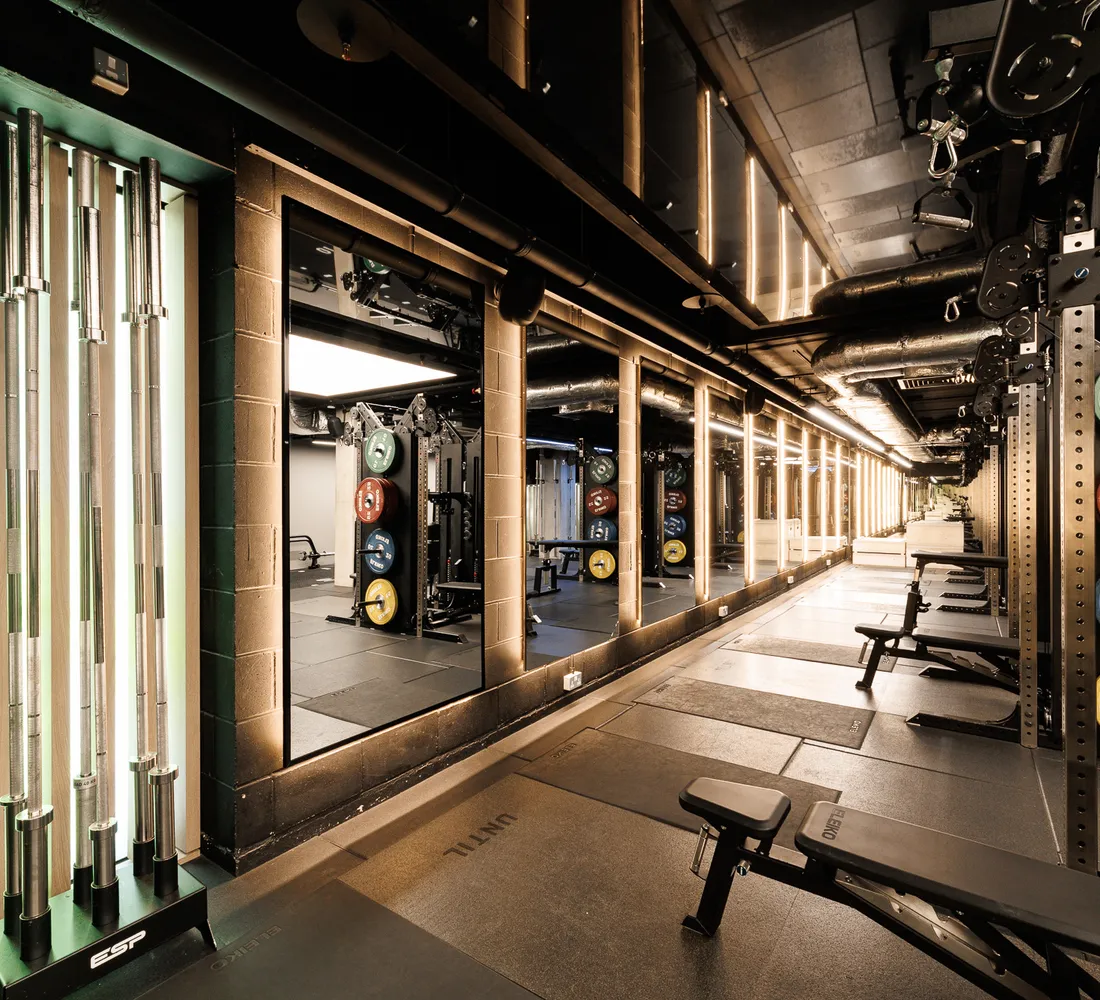
The coaches at UNTIL Soho
Every coach here works their own way
The trainers at UNTIL Soho each run their own practice. Different backgrounds, different specialisms, different ways of running a session.
So the question worth answering is not who is best. It is who is right for you, and that comes down to three things.
- Different specialismsFat loss, strength and training around an injury are related crafts. Few coaches are equally strong at all three.
- Different temperamentsSome coaches are warm, some hold a hard line. The right one is the one you still turn up for in week nine.
- Different weeksA coach who rebuilds your week around travel is a different hire from one who needs you there every Tuesday.
The fit test
How to find a personal trainer who fits you
Four questions about you, not about us. Your answers describe a person, and that description is more useful than any list of qualifications.
Your brief
Answer these and this panel builds a short brief: the skill you are hiring, the kind of coach that suits you, and the questions to ask first. Nothing is sent anywhere and nothing is saved.
This is what your answers say about the person you are looking for. Take it into any first conversation, here or anywhere else.
-
Your goal
You are hiring body composition skill
Training and eating habits handled together, with progress measured in more than scale weight: waist, photos, and strength holding while weight moves. A coach who writes the training and hands you a meal plan is doing half the job.
- How will you measure progress beyond the scale?
-
Your goal
You are hiring strength and conditioning skill
Ask about progression: how load goes up, when it does not, and what happens in the weeks it stalls. Someone with a strength background answers that in numbers rather than adjectives.
- How will load progress over my first twelve weeks?
-
Your goal
You are hiring patience and measurement
Health and energy move on a slower clock than body composition, and the markers are different: sleep, resting heart rate, blood results, how you feel at 3pm. You want someone comfortable going slower and working alongside your GP where that matters.
- Which markers would you track for a goal like mine?
-
Your starting point
You want the teacher
Someone patient, who teaches the movement before adding load and makes the room feel unthreatening. A good first block leaves you able to train on your own if you had to.
- How will you teach me the lifts in the first month?
-
Your starting point
You want the rebuilder
You are not a beginner, and you are not where you were. The skill is re-entry: enough load that it feels like training, little enough that the first fortnight does not wipe you out and cost you the month.
- How hard will my first two weeks be, and why?
-
Your starting point
You want the technician
Someone who can look at years of training and find the reason it stopped working, whether that is the programme, recovery, food or effort. Expect them to ask for your training history before they suggest anything.
- What would you want to see from my last six months before you change anything?
-
Your starting point
You want someone who asks first
The question about your shoulder belongs before the bar is loaded, not after. Look for a coach who asks about injury history in the first conversation, and who knows when to send you to a physio instead of coaching through it.
- What do you do when something hurts mid session?
- When would you refer me to a physio?
-
Your week
You can buy programming
A predictable week is the easiest thing to programme for, so judge the coach on the plan itself: what changes week to week, and why it changes.
- Can I see an anonymised example of a twelve week plan?
-
Your week
You are hiring adaptation
The best plan on paper loses, every time, to a decent plan you can keep. You want someone who rebuilds the week around what actually happened, hotel gym and 40 minute window included, rather than treating a missed session as your failure.
- What happens to my plan in a week when I travel?
-
Your week
You are hiring prioritisation
Two sessions a week works, but only if the plan is honest about it: fewer exercises, more weight on the lifts that pay, and clear guidance for what you do outside the sessions.
- What would you cut to make two sessions a week work?
-
How you respond
You want warmth with a spine
Neither the drill sergeant nor the cheerleader is correct. If dread is your risk, look for someone encouraging who still keeps the log honest, and notice whether you felt judged in the first conversation.
- How do you handle it when a client misses two weeks?
-
How you respond
You want standards, kindly held
If your risk is talking your way out of the hard set, you need someone who will not let you. Ask how they hold a client to the plan, and listen for a method rather than a mood.
- How do you hold me to the plan without turning sessions into a punishment?
Questions your answers earned you
Four signs of a good personal trainer
None of these show up on Instagram, and all of them matter more than anything that does.
-
They assess before they prescribe
A good first session is mostly questions and movement: your history, your injuries, your sleep, how you actually eat. If session one is a punishing workout designed to prove that sessions are hard, that is marketing rather than coaching.
-
They plan
A written programme exists, with a shape across weeks, instead of improvisation based on which corner of the gym is free. Ask to see an anonymised example. Coaches who programme properly are usually proud to show you one.
-
They measure
Sessions get logged. Progress is judged on your numbers, what you lifted and how your measurements are moving, not on how sweaty or sore you were. Anyone can make you tired. Tired is cheap. Progress is the product.
-
They adjust
Life will wreck your training at some point. That is a certainty, not a risk. What separates good coaches is what happens next: the plan flexes and continues, rather than restarting with a side of guilt.
Questions to ask a personal trainer
Nine questions, and what a good answer sounds like. They work on us and on anyone else you meet.
What would my first session with you look like?
Good answerQuestions, history and a movement assessment. You leave knowing what they found and what happens next.
Warning signStraight into a workout, with the intensity offered as the proof of quality.
How will you decide what goes in my programme?
Good answerAn answer that references you: your assessment, your goal, the week you just described.
Warning signA method that never mentions you, described exactly as it would be to anyone else.
What would realistic progress look like for me in three months?
Good answerHonest ranges, and questions back before they commit to a number.
Warning signGuarantees, dramatic promises, or "depends how hard you work" as the entire answer. That is deflection dressed as tough love.
How do you track progress?
Good answerLogged sessions, measurements that match your goal, and photos if you want them.
Warning signThe scale as the only instrument.
How do you handle nutrition?
Good answerGuidance built around your actual life: eating out, travel, the occasional blowout.
Warning signA photocopied meal plan, a list of banned foods, or anything using the word detox.
What happens when my week falls apart?
Good answerA plan for exactly that, because it will happen.
Warning signAn answer that implies failure could only ever be yours.
Who do you work best with, and who should not train with you?
Good answerA specific, honest answer. Specificity is self knowledge.
Warning sign"I work with everyone."
Why do you do it this way?
Good answerA plain English reason for the exercise or the method, given without irritation.
Warning signJargon fog, or annoyance at being asked.
How is training sold, and what does it cost?
Good answerA clear structure, explained before you commit to anything.
Warning signPressure to buy a large block today, or a discount that expires tonight.
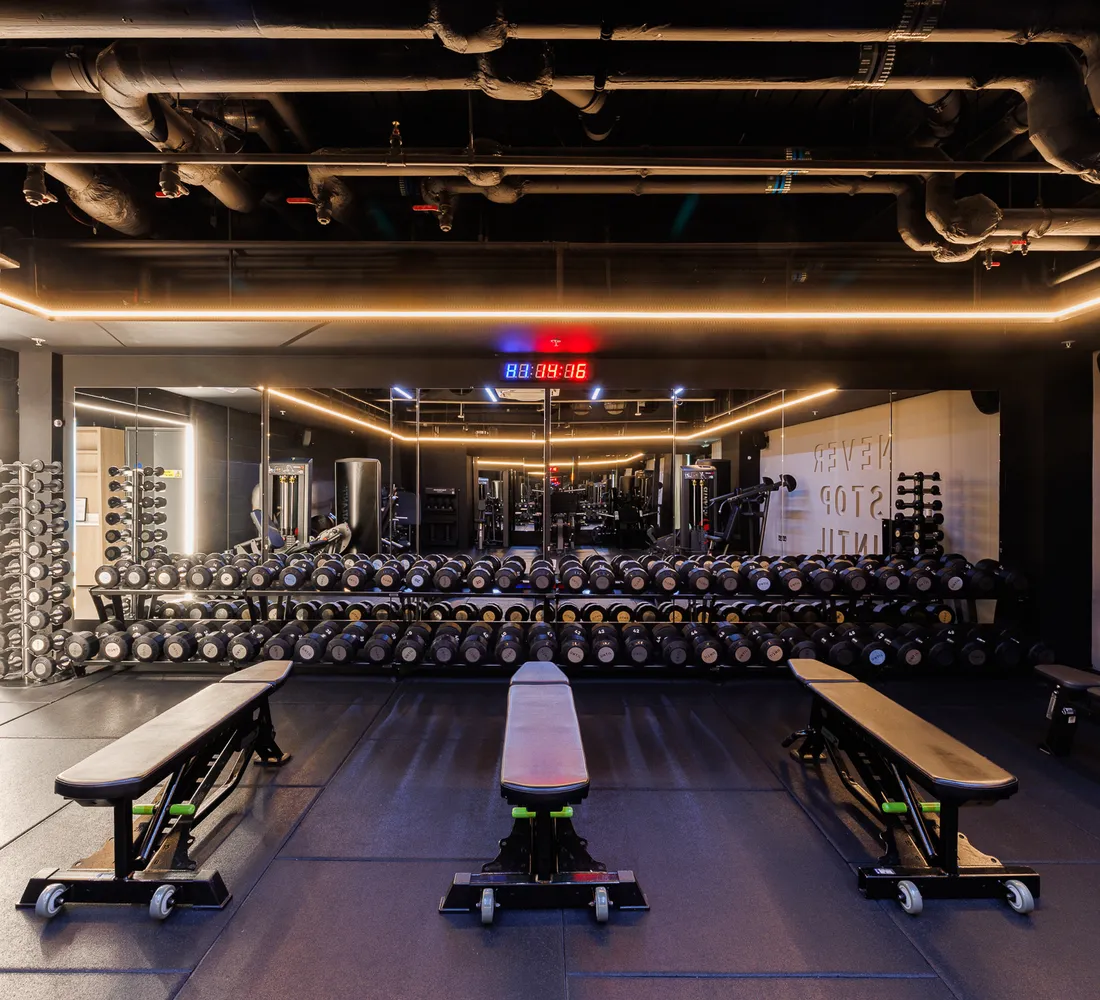
The first conversation
What to expect from a first personal training session
A good first meeting feels like a diagnosis. You should talk more than they do, and what they suggest should change as they learn things about you: the knee, the Thursdays, the fact that you hate running.
A bad one feels like a pitch that would have been the same whoever sat down. When it ends, ask yourself one question. Did you feel assessed, or did you feel sold to?
- Questions firstHistory, injuries, sleep and how you actually eat, before anything gets loaded.
- A movement screenAnd you are told what they found, rather than just that they looked.
- A plan you can repeatYou should be able to describe it to someone else afterwards.
What actually predicts your results
The best predictor is not a trainer's body, their follower count, or even their qualifications. Those are a floor rather than a ceiling. It is whether they build the work around you, and whether they can show you progress you can see in a log.
You are allowed to meet two or three trainers before choosing. Anyone worth hiring will not mind, and the ones who do mind have answered your question.
Walk in with these questions and something else happens too: you become the kind of client good trainers want, and the kind bad trainers avoid. That alone improves your odds before you have lifted anything.
Talk to us about the right coachFAQ
Common
questions
How do I choose a personal trainer?
Start with yourself rather than the trainer. Decide what you want to change, how much training you have behind you, and what your real week allows. Then judge candidates on four things: whether they assess before they prescribe, whether a written plan exists, whether sessions get logged, and whether the plan flexes when life interferes.
What questions should I ask a personal trainer before signing up?
Ask what the first session looks like, how they will decide what goes in your programme, what realistic progress looks like in three months, how they track it, how they handle nutrition, and what happens when your week falls apart. Good answers mention you. Weak ones only describe a method.
Is a personal trainer worth it?
It is worth it when you are starting from scratch, coming back after years away, stuck at the same numbers, or training around an injury. What you buy is programming, honest measurement and the fact that somebody is expecting you. If none of those apply, a good plan and consistency may be enough.
How much does a personal trainer cost in London?
Published central London prices checked on 27 September 2026 ran from about £85 to £180 an hour at private studios, and £45 to £65 for gym-floor trainers at the chains. Personal Training Soho costs from £80 an hour with no membership. Ask for the whole structure before you commit, and walk away from any discount that expires tonight.
How long should I work with a personal trainer?
Long enough to see a full training block through, which usually means about twelve weeks. That is enough time for strength to move and for measurements to change. Judge it at the end of the block on your log, not on how you felt after a single hard session.
What qualifications should a personal trainer have in the UK?
A recognised Level 3 qualification and current insurance are the floor, not the reason to hire someone. Beyond that, specialism matters more than certificate count: body composition, strength and conditioning, and long term health are related but different crafts, and a coach can be excellent at one and average at another.
Get Started
Ready to start?
Book a free matching call.
Personal Training Soho • UNTIL, 111 Charing Cross Road, London WC2H 0DT
EnquireThe matching call is free, and you do not need an UNTIL membership.