Muscle Building Personal Training in Soho
Add quality lean muscle through progressive overload and intelligent programming, with muscle-building 1-2-1 personal training at UNTIL Soho.

Overview
How to build muscle
Building muscle is a patient, technical process. Lean mass is added gradually through progressive overload, sound technique, and a recovery environment that lets the work pay off. Done properly it changes how you look, how strong you feel and how resilient you are for years, rather than for one training block.
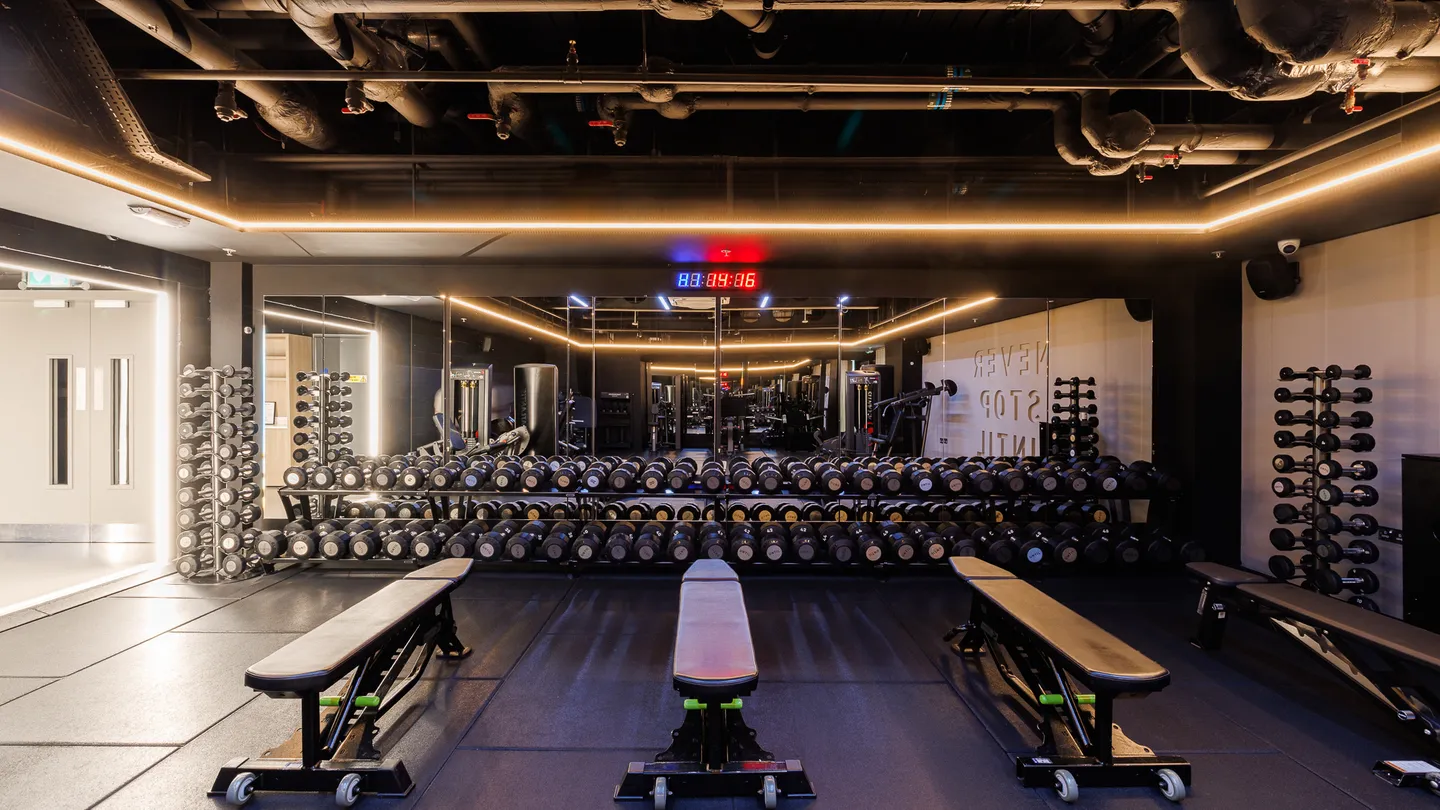
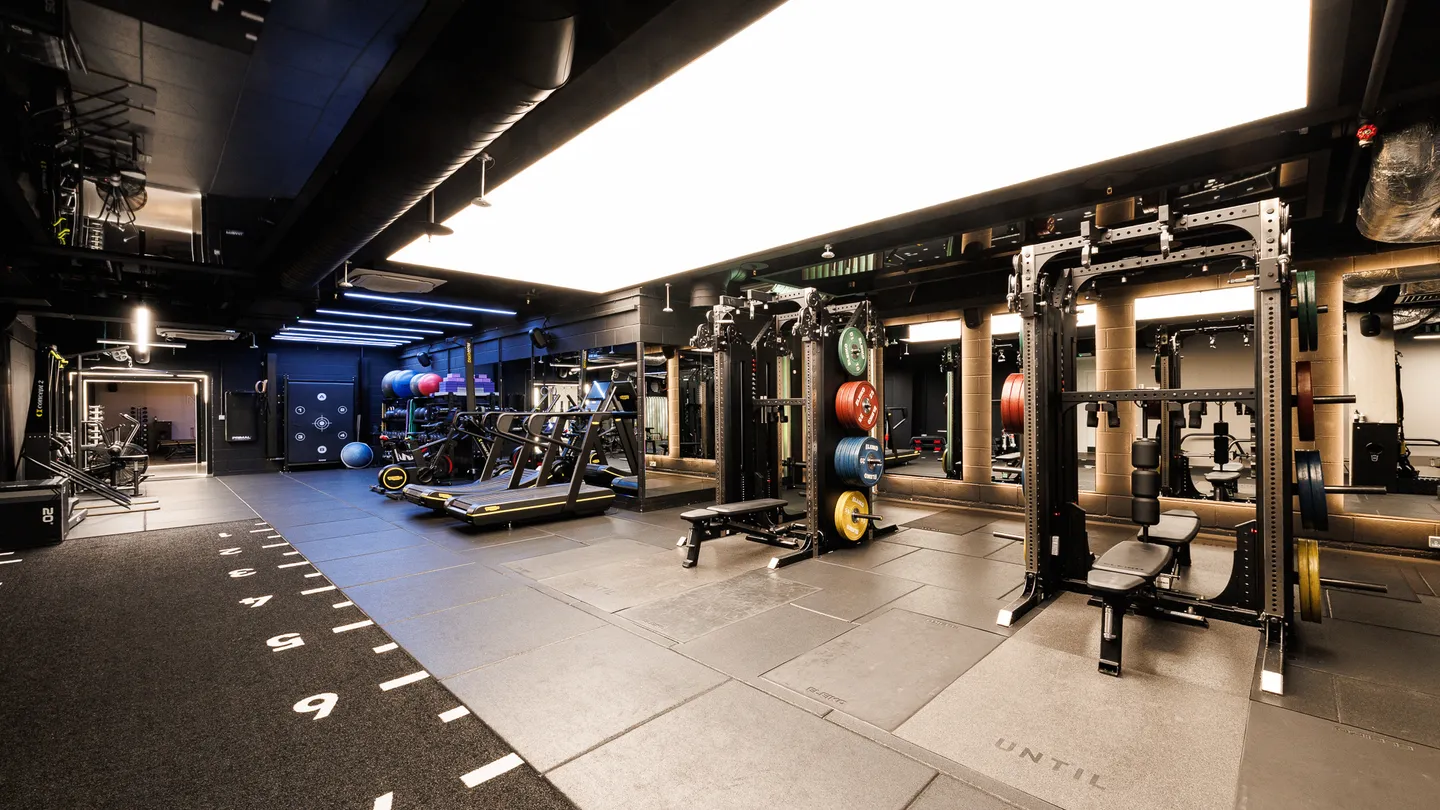
Your programme is built around your body, your schedule and the equipment on the floor at UNTIL Soho. Volume is set high enough to drive growth and low enough to recover from, technique is coached inside each working set so the tension reaches the muscle you are training, and nutrition and sleep are handled alongside the sessions, because muscle is built as much by recovery and protein as by the training itself.
The calorie calculator sets the protein floor that muscle building depends on, and the strength standards show where your lifts sit today. Sessions cost from £80 an hour with no UNTIL membership, and the first step is a free matching call. How the programme works sets out each step.
The benefits of building muscle
A stronger, more defined shape
Adding lean muscle builds the shape most people are training for: fuller shoulders, a stronger back, definition that holds. It changes your physique in a way cardio alone never will.
A higher resting metabolism
Muscle is costly tissue for the body to maintain, so carrying more of it raises the energy you use at rest. That makes staying lean easier without living in a permanent diet.
Strength that shows and performs
Muscle built through proper training is working muscle. The size comes with real capability, so you look stronger because you are stronger, in the gym and out of it.
Better body composition over time
Muscle gained gradually and kept through consistent training shifts the balance of your body composition, which supports healthier weight management as the years go on.
More support for your joints
Well-developed muscle around a joint helps steady and protect it. Building the muscle that guards your knees, shoulders and back gives them a stronger framework to work within.
Progress you can see and measure
Few goals stay as motivating as muscle, because the results are visible and easy to track. Watching your lifts and your physique move keeps the habit rewarding.
What gets in the way
Why am I not building muscle?
- Not enough weekly volume or load to give the muscle a real reason to grow
- Technique that leaks tension, so the hard sets never reach the muscle you are training
- Changing the programme too often, before any of it has had time to work
- Too little protein and too little sleep, so the training is never turned into muscle
- No record of your lifts, so weight and volume are guessed at rather than progressed
- Training in a deficit for months on end, so there is nothing spare to build with
How it works
How personal training in Soho helps you build muscle
FAQ
Muscle building
FAQs
How long does it take to build noticeable muscle?
Most people see meaningful change over three to six months of consistent, progressive training with the nutrition side handled. Strength usually moves first, within a few weeks, as technique and coordination sharpen. The rate depends on your training history, your age and how well you recover.
Will building muscle make me bulky?
Muscle is built gradually and deliberately, so progress stays controlled. The programme is shaped to your goal, whether that is a lean athletic look or maximum size, and adjusted as you go, so you stay in command of the direction your physique takes throughout.
How important is nutrition for building muscle?
It is central. Training provides the stimulus; nutrition and recovery decide how much of it you keep. Practical guidance on protein, total intake and sleep is set up alongside your programme so the two work together, rather than leaving the most important variable to chance.
Can I build muscle and lose fat at the same time?
Often yes, particularly if you are new to structured strength training or coming back after a long gap. For everyone else the two goals pull against each other, so the programme picks a priority for the phase and revisits it rather than chasing both at half effort.
How long does it take to build muscle?
Visible change usually takes three to six months of consistent training, and the first eight weeks are mostly strength and technique rather than size. Someone new to lifting adds muscle faster than someone who has trained for years. Anyone promising a shortcut is describing a shortcut that does not exist.
What is progressive overload?
Progressive overload means gradually asking more of a muscle over time, through more weight, more reps, better range or less rest. It is the reason a logged programme beats an improvised one: without a record of what you lifted last time, the increase is guessed at rather than earned.
Related Goals
Get Started
Ready to start?
Book a free matching call.
Personal Training Soho • UNTIL, 111 Charing Cross Road, London WC2H 0DT
EnquireThe matching call is free, and you do not need an UNTIL membership.